

Employees who are not expected to carry out electrical work can still be exposed to risks from electrical equipment, including electric shock, burns and fire. They need to recognise potential hazards, use equipment safely and know when competent assistance is required.
This guide to electrical training for non electricians explains what effective training should cover, employers’ legal responsibilities and what non-electricians can and cannot do. It will help you determine the level of electrical awareness your employees need and make informed decisions about training based on their roles, responsibilities and exposure to electrical risk.
What is electrical training for non electricians?
Electrical training for non electricians is workplace safety training for people who use electrical equipment or may encounter electrical hazards but do not carry out specialist electrical work.
Effective electrical safety awareness training helps employees understand the risks associated with electricity, the precautions they should take and the limits of what they should do themselves.
Depending on their role and workplace, training may cover the following areas.
Common electrical hazards
Employees should understand the main ways electricity can cause harm, including:
- Electric shock: Contact with live electrical parts can cause serious or fatal injury.
- Burns and electrical arcing: Electricity can cause severe burns, while arcing can cause injury without direct contact with a live conductor.
- Fire and explosion: Faults, damaged equipment, overheating or electrical sparks can cause fires or ignite flammable gases, vapours or combustible dusts.
- Secondary injuries: Electric shock can lead to falls or contact with machinery and other hazards.
Safe use of electrical equipment
Electrical equipment should be suitable for the task and environment and used in accordance with the manufacturer’s instructions and workplace procedures.
Basic electrical safety training should cover precautions such as:
- Use equipment as intended: Only use equipment for the purpose and conditions for which it was designed.
- Keep electricity away from water: Do not use electrical equipment in wet or damp conditions unless it is suitable for that environment.
- Protect cables and plugs: Position cables to prevent damage from vehicles, equipment, doors or other workplace activities, and avoid creating trip hazards.
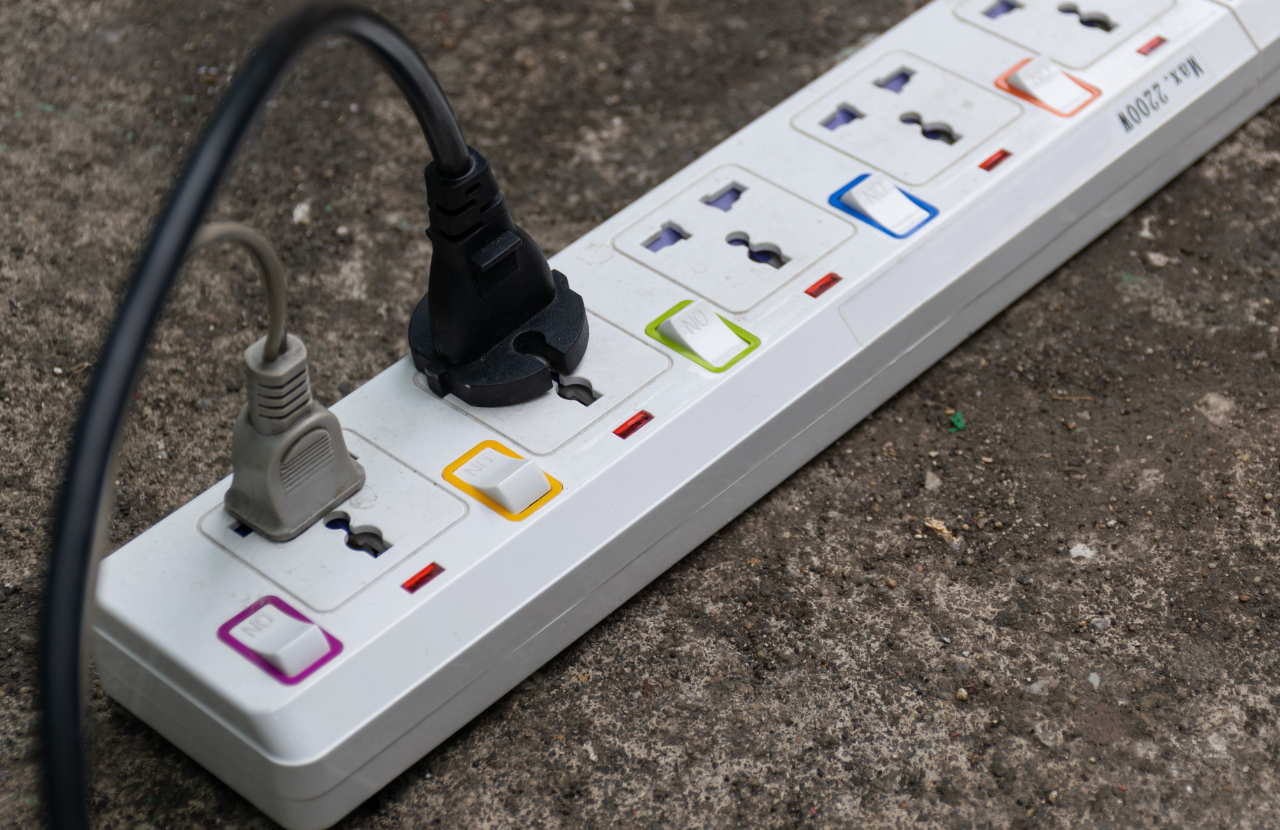
- Avoid overloading sockets: Connecting too many appliances can cause overheating and increase the risk of fire.
- Use extension leads appropriately: Extension leads and adaptors should not be used as a permanent alternative to sufficient fixed sockets.
Electrical equipment should only be modified, dismantled or repaired by someone competent to carry out the task.
What is ‘competence’?
Under the Electricity at Work Regulations 1989, Regulation 16, where technical knowledge or experience is necessary to prevent danger or injury, a person must have that knowledge or experience or be appropriately supervised.
Competence is therefore specific to the work being undertaken. Someone who is competent to perform a straightforward electrical task is not necessarily competent to diagnose faults, repair equipment or work on an electrical installation.
Pre-use checks
Pre-use checks help employees identify visible damage or other signs that electrical equipment may be unsafe before it is used.
Employees should look for:
- Damaged plugs, connectors or casings: Look for cracks, bent pins, loose parts or other visible damage.
- Damaged cables: Check for cuts, fraying, exposed wires or cables pulling away from plugs or equipment.
- Makeshift repairs: Taped joints or temporary repairs may conceal damage and should be reported.
- Signs of overheating: Scorch marks, discolouration or excessive heat can indicate a fault.
- Water or contamination: Equipment that is wet or contaminated by liquids, dust or other substances may be unsafe to use.
Employees should also check that equipment is suitable for the environment in which it will be used. Where there is any doubt, they should check the manufacturer’s instructions or seek advice before use.
Higher-risk environments
Wet, damp, outdoor or demanding environments can increase electrical risk. Construction sites, for example, can expose equipment and cables to greater wear and damage, while flammable gases, vapours or combustible dusts can create a risk of fire or explosion.
Electrical safety awareness training should help employees recognise higher-risk conditions and understand the additional precautions that may be required, including:
- Using suitable equipment: Equipment may need specific protection against water, dust, impact or other environmental factors.
- Providing additional protection: Measures such as RCD protection (see below) may be required in certain circumstances.
- Protecting equipment and cables: Cables may need to be positioned or protected to prevent them being crushed, cut, driven over or otherwise damaged.
- Increasing inspection and maintenance: More demanding conditions may require more frequent checks, inspections or testing.
- Using specialist equipment: Areas where flammable gases, vapours or combustible dusts may be present can require electrical equipment specifically designed for those conditions.
Where there is uncertainty about equipment suitability, the protection required or how electrical risks should be controlled, advice should be obtained from someone with appropriate electrical competence.
Residual current devices (RCDs)
A residual current device (RCD) rapidly disconnects the electrical supply when it detects current flowing along an unintended path, reducing the risk of serious injury from electric shock. RCD protection is particularly important when portable equipment is used outdoors or in wet or damp conditions.
Employees using RCD-protected equipment should understand the purpose and any checks required under workplace procedures or the manufacturer’s instructions.
RCDs provide additional protection but cannot prevent every electrical accident. Having RCD protection does not make damaged or unsuitable equipment safe to use or replace other electrical safety precautions.
Fault reporting
Employees need to know what to do if electrical equipment appears damaged, defective or unsafe:
- Stop using it: Do not continue to use equipment that may be unsafe.
- Prevent further use: Where safe and authorised, switch off or disconnect the equipment and follow workplace procedures for labelling or removing it from use.
- Report the problem: Tell the appropriate manager, supervisor, facilities team or other responsible person.
The equipment should remain out of use until it has been assessed and, where necessary, repaired by someone competent to do so.
Employees should not investigate faults, dismantle equipment or attempt repairs unless they have the necessary competence and authority.
Safe isolation awareness
Safe isolation is the process of securely disconnecting electrical equipment or a system from electrical energy before work begins and preventing it from becoming live again while the work is carried out.
Switching equipment off does not always isolate it from the electrical supply or prevent someone from accidentally switching it back on.
Non-electricians need to understand when safe isolation may be necessary, why simply switching equipment off may not be enough, and what they should do when equipment has been isolated for work.
Emergency procedures
Electrical safety awareness training should cover emergency arrangements and how employees can respond without putting themselves or others at further risk.
If someone is receiving an electric shock, they may still be in contact with a live electrical source and should not be touched until it is safe to do so.
Employees should know to:
- Keep themselves safe: Do not approach or touch someone if there may still be an electrical danger.
- Call for help: Alert others and call 999 where emergency assistance is required, making clear that electricity is involved.
- Disconnect the supply where safe to do so: Follow workplace procedures and do not attempt electrical isolation or other actions beyond your competence.
- Provide first aid: Once it is safe to approach, provide first aid within your level of training and obtain medical assistance where required.
- Secure the area: Prevent others from approaching the hazard or using affected equipment until it has been made safe.
Electrical incidents and near misses must be reported and investigated so that appropriate action can be taken to prevent recurrence.
Is electrical safety training a legal requirement in the UK?
Employers have a legal duty to provide employees with the information, instruction, training and supervision they need to work safely. The level of electrical training required should reflect the risks employees may encounter and the activities they are authorised to undertake.
The following legislation supports these responsibilities.
Health and Safety at Work etc. Act 1974
The Health and Safety at Work etc. Act 1974 places a general duty on employers to protect the health, safety and welfare of employees, so far as is reasonably practicable.
Section 2 requires employers to provide the information, instruction, training and supervision necessary to protect employees’ health and safety. Electrical safety training for non-electricians can form part of meeting this duty.
Electricity at Work Regulations 1989
Regulation 4 of the Electricity at Work Regulations 1989 requires electrical systems to be constructed and maintained to prevent danger, so far as is reasonably practicable, and work involving electrical systems to be carried out safely.
Regulation 16 establishes an important boundary for non-electricians. Where technical knowledge or experience is necessary to prevent electrical danger or injury, a person must have that knowledge or experience or be appropriately supervised.
Provision and Use of Work Equipment Regulations 1998
The Provision and Use of Work Equipment Regulations 1998 (PUWER) apply to work equipment, including electrically powered tools and machinery.
Regulation 9 requires employees who use work equipment to receive adequate health and safety training, including the methods to be used, risks involved and precautions to be taken.
What is the difference between electrical awareness training and electrician training?
| Feature | Electrical awareness training | Professional electrical training |
| Purpose | Builds awareness of electrical hazards, safe working practices and the limits of individual competence | Develops the technical knowledge and practical skills required to undertake electrical work |
| Who it is for | Employees who need to understand electrical risks relevant to their workplace | Electricians, electrical operatives, apprentices and others required to undertake electrical work |
| What it covers | Safe use of electrical equipment, pre-use checks, recognising and reporting defects, and responding to electrical hazards | Installation, inspection, testing, maintenance, repair and other electrical work |
| Qualification | Does not qualify someone to undertake specialist electrical work or work as an electrician | May contribute towards recognised electrical qualifications and competence to undertake defined electrical work |
Can electrical training for non electricians be completed online?
An online electrical safety awareness course is an effective way to provide employees with consistent awareness of electrical hazards and safe working practices.
Online delivery also enables employees to complete training at a convenient time and pace, reduces time away from work and makes it easier to train employees across multiple sites. Organisations can track completion, maintain training records and provide the same core information to employees across different roles and locations.
Where an employee is required to undertake electrical work, additional task-specific training, experience, supervision and assessment may be needed to establish competence.
How often should non electricians refresh their electrical safety training?
HSE guidance on training and competence states that training may need to be refreshed at suitable intervals to ensure workers remain competent.
Employers should therefore review training periodically and provide refresher training where necessary, especially in these circumstances:
- Changes in responsibilities: An employee takes on a new role or additional duties.
- New equipment: Different electrical tools, machinery or systems are introduced.
- Changes in working practices: Employees begin undertaking work in different environments or circumstances.
- Incidents or near misses: An event highlights gaps in knowledge or safe working practices.
- Evidence of unsafe behaviour: Checks identify that procedures are not being followed or knowledge has deteriorated.
- Changes to procedures: The organisation introduces new electrical safety arrangements.
Building electrical safety awareness
Providing electrical training for non electricians ensures they have the knowledge to recognise electrical risks and make safer decisions at work.
Our online Electrical Safety Awareness course provides practical guidance on the electrical risks employees may encounter and the precautions they need to take. The course covers electrical hazards, safe use of equipment, pre-use checks, fault reporting, higher-risk environments, emergency procedures and when to seek competent assistance.
Find out more about Electrical Safety Awareness training on our website or call our friendly team today on 0203 011 4242 / [email protected]

Adam Clarke
Managing Director (Consulting)