
Confined spaces are a feature of many workplaces, from construction sites and manufacturing facilities to utilities, agriculture, and maintenance environments. Understanding the definition of a confined space is fundamental to managing risks and ensuring work is carried out safely.
By recognising the hazards associated with confined spaces and understanding the legal requirements, employers can take appropriate steps to protect workers and reduce the likelihood of serious incidents.
In this guide we explain how confined spaces are defined under UK law and discuss the key hazards, responsibilities, and safety measures associated with confined space work.
What is the definition of a confined space under UK law?
The legal confined space definition is set out in the Confined Spaces Regulations 1997, Regulation 1(2):
“Any place, including any chamber, tank, vat, silo, pit, trench, pipe, sewer, flue, well or other similar space in which, by virtue of its enclosed nature, there arises a reasonably foreseeable specified risk.”
The definition for confined space is strictly tied to the presence of a “reasonably foreseeable specified risk”. This means a space is not legally considered a confined space simply because it is enclosed or small.
Under Regulation 1(2), the specified risks are:
- Serious injury from fire or explosion
- Loss of consciousness arising from an increase in body temperature
- Loss of consciousness or asphyxiation caused by gas, fume, vapour, or lack of oxygen
- Drowning from an increase in liquid level
- Asphyxiation or entrapment caused by free-flowing solids which prevent escape to a respirable environment
What defines a confined space?
According to the Health and Safety Executive (HSE) Approved Code of Practice L101: Safe Work in Confined Spaces, a space is ‘confined’ when it includes one or more of these features:
Limited access or restricted entry and exit
Many confined spaces have narrow openings, ladders, hatches, manholes, or awkward access points that make entry and exit difficult.
Restricted escape routes can significantly increase risk during an emergency because workers may struggle to evacuate quickly, and rescue teams may have difficulty reaching casualties.
These access restrictions can become even more dangerous where workers are wearing breathing apparatus, harnesses, or other personal protective equipment (PPE).
Examples include:
- Storage tanks accessed through roof hatches
- Underground utility chambers
- Sewers with vertical ladder access
- Pipework systems with small entry points
Poor ventilation and oxygen deficiency
Confined spaces often have poor natural ventilation because they are enclosed or partially enclosed. This can cause oxygen levels to fall below safe levels and allow dangerous substances to accumulate.
Reduced oxygen levels may result from:
- Rusting metal surfaces consuming oxygen
- Combustion processes
- Chemical reactions
- Welding and cutting activities
- Displacement by other gases
Oxygen deficiency can quickly lead to dizziness, unconsciousness, asphyxiation, and death, particularly in confined areas where fresh air cannot circulate properly.
Toxic gases, fumes, and hazardous atmospheres
Confined spaces can contain hazardous atmospheres that may not be visible or detectable without specialist monitoring equipment.
Dangerous atmospheres may include:
- Toxic gases such as carbon monoxide or hydrogen sulphide
- Airborne fumes from welding or chemicals
- Vapours from fuels, solvents, or industrial processes
- Dusts that affect breathing or visibility
- Contaminated air from nearby activities or stored substances
These hazards can develop suddenly or gradually and may remain trapped within the confined space due to poor ventilation.
Examples are:
- Sewers containing hydrogen sulphide gas
- Welding inside tanks producing toxic fumes
- Chemical storage areas releasing hazardous vapours
- Decomposing materials generating dangerous gases
Fire and explosion risks
Flammable gases, vapours, dusts, or liquids can create a significant fire and explosion risk within confined spaces.
Because confined spaces are enclosed, flammable substances can build up rapidly and ignite if exposed to sparks, hot surfaces, static electricity, or naked flames.
Common causes include:
- Fuel vapours in storage tanks
- Combustible dusts in silos or hoppers
- Gas leaks within enclosed chambers
- Hot work activities such as welding or cutting
Even a small ignition source can lead to a serious explosion due to pressure build-up within the confined area.
Heat stress and increased body temperature
Some confined spaces can become dangerously hot, particularly where ventilation is poor or where heat-generating work activities take place.
Heat stress may arise from:
- Steam systems
- Hot industrial processes
- Physically demanding work
- High ambient temperatures
- Lack of airflow
Excessive heat can lead to dehydration, exhaustion, heat stroke, reduced concentration, and collapse.
Risk of engulfment, flooding, or entrapment
Confined spaces may contain liquids, free-flowing solids, or rising materials that can engulf, trap, or suffocate workers.
The Confined Spaces Regulations, Regulation 1(2) specifically identify risks arising from:
- Drowning caused by rising liquid levels
- Asphyxiation caused by free-flowing solids
- Entrapment caused by free-flowing solids preventing escape to a breathable environment
Examples are:
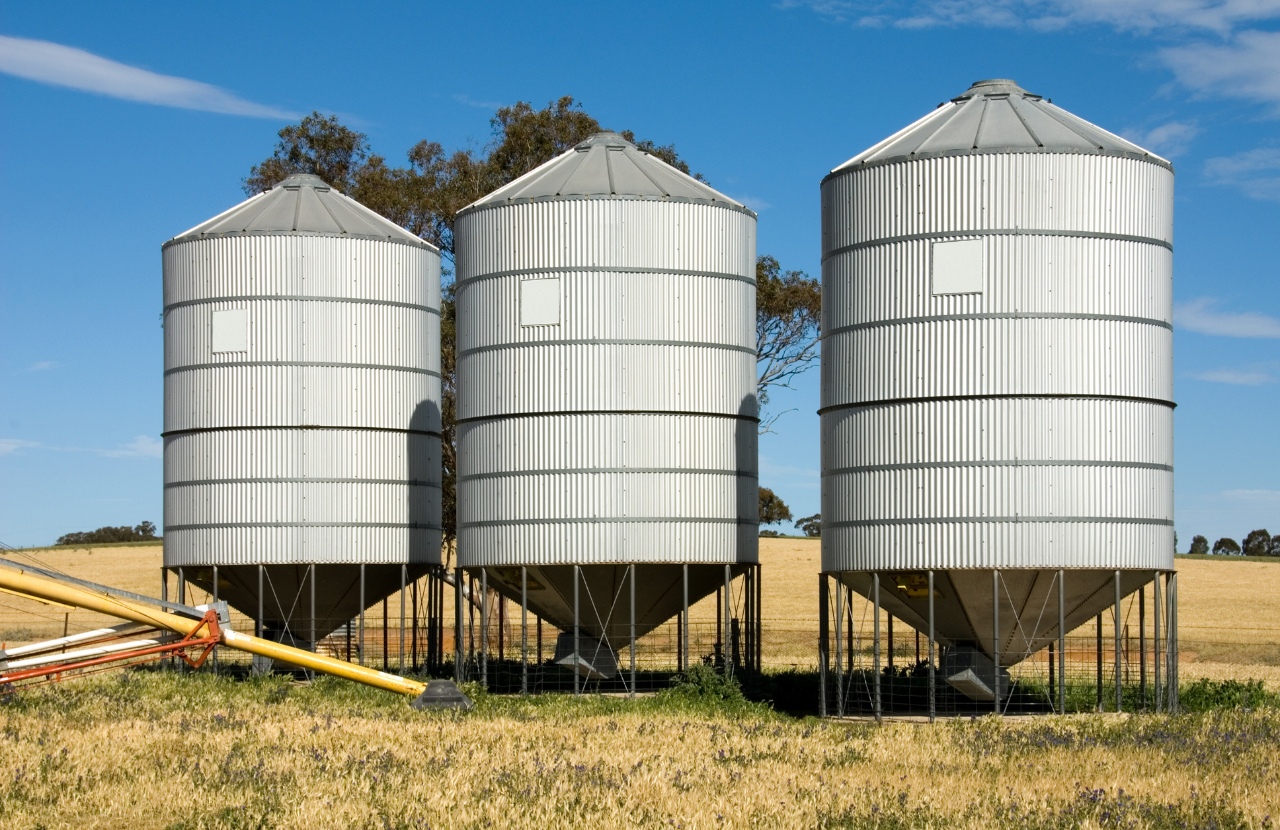
- Grain silos
- Sand hoppers
- Sewers
- Flood-prone underground chambers
- Chemical tanks
Free-flowing solids can behave similarly to liquids and may engulf workers rapidly, making escape and rescue extremely difficult.
Not designed for continuous human occupancy
A confined space is not designed for continuous occupancy and is often used for storage, processing, maintenance, utilities, or access purposes. Workers usually enter these spaces only occasionally for inspection, cleaning, repair, maintenance, or construction work.
Examples include:
- Silos
- Reaction vessels
- Storage tanks
- Service ducts
- Crawl spaces
- Manholes
Since these environments are not intended for routine occupation, they may lack suitable ventilation, lighting, emergency communication systems, or safe escape arrangements.
A confined space can be large or small
A confined space is not defined by its physical dimensions, but by whether its enclosed nature creates a reasonably foreseeable specified risk.
Large structures such as ship cargo holds, tunnels, large storage tanks, or underground chambers may still meet the confined space definition if dangerous conditions are present.
The determining factor is whether the enclosed environment creates a risk of serious injury, illness, or death.
What is the difference between an enclosed space and a confined space?
An enclosed space is not automatically a confined space. A confined space is legally defined by the presence of foreseeable specified risks arising from the enclosed nature of the space, rather than simply whether the area is enclosed.
This means some enclosed areas may not be confined spaces if no specified risks are present. For example, a basement with normal ventilation and no foreseeable hazards may not be considered a confined space. However, if toxic gases, oxygen deficiency, flooding risks, or flammable vapours are present, it may meet the legal confined space definition.
| Enclosed space | Confined space |
| Storage cupboard | Chemical storage tank |
| Basement with adequate ventilation | Sewer system |
| Standard plant room | Grain silo |
| Warehouse | Underground chamber with hazardous atmosphere |
Confined space examples
There are many types of confined spaces found in UK workplaces. These are common confined space examples:
- Storage tanks
- Silos
- Sewers
- Pipework systems
- Utility vaults
- Trenches
- Underground chambers
- Manholes
- Boilers
- Reaction vessels
- Crawl spaces
- Ductwork
- Ship cargo holds
Some spaces only become hazardous during specific activities. For example, welding inside a tank can produce dangerous fumes and reduce oxygen levels.
What are the four gases in a confined space?
Standard four-gas monitors used for confined space entry measure four key atmospheric hazards:
Oxygen (O₂)
Oxygen levels must remain within safe working limits. Oxygen deficiency can quickly lead to dizziness, unconsciousness, asphyxiation, or death.
Oxygen levels may decrease due to rusting metal surfaces, combustion processes, chemical reactions or displacement by other gases.
Carbon Monoxide (CO)
Carbon monoxide is a highly toxic gas produced by combustion engines, generators, welding, and fuel-burning equipment.
It is colourless, odourless, and can rapidly build up in poorly ventilated confined spaces.
Hydrogen Sulphide (H₂S)
Hydrogen sulphide is a toxic gas commonly associated with sewers, wastewater systems, decomposition processes, and some industrial activities.
At low concentrations it smells like rotten eggs, but at higher concentrations it can quickly impair the sense of smell, making it especially dangerous.
Flammable Gases and Vapours (%LEL)
Four-gas monitors measure flammable atmospheres using the Lower Explosive Limit (LEL). The LEL indicates how close the atmosphere is to becoming explosive if an ignition source is present.
Flammable atmospheres may be caused by fuel vapours, solvents, methane, combustible gases and flammable dusts.
What PPE is needed for confined spaces?
The PPE required for confined space work depends on the hazards identified during the risk assessment.
Here is a list of common confined space PPE:
- Safety helmets – protect workers from head injuries caused by falling objects, low ceilings, fixed structures, or accidental impacts within confined spaces.
- Protective gloves – help protect hands from chemicals, sharp edges, abrasive materials, heat, contaminated surfaces, or biological hazards.
- Safety footwear – provides protection against slips, punctures, crushing injuries, electrical hazards, and exposure to hazardous substances.
- Eye protection – safety glasses or goggles help protect against dust, flying particles, sparks, chemical splashes, fumes, or debris created during work activities.
- High-visibility clothing – improves visibility in low-light environments or where vehicles, machinery, or multiple contractors are operating nearby.
- Respiratory protective equipment (RPE) – helps protect workers from inhaling hazardous dusts, fumes, gases, vapours, or airborne contaminants where oxygen levels remain safe.
- Breathing apparatus (BA) – provides an independent air supply in environments where oxygen levels are unsafe or where toxic atmospheres present an immediate danger to life or health.
- Escape breathing apparatus or supplied-air respiratory systems – may be required in high-risk confined spaces where workers need emergency escape protection or a continuous external air supply.
- Fall arrest harnesses and retrieval systems – may be used where there is a risk of falls or where workers need to be safely lowered into, monitored within, or recovered from vertical confined spaces.
- Gas detectors and atmospheric monitoring equipment – used to test and continuously monitor oxygen levels, toxic gases, and flammable atmospheres before and during entry.
- Communication devices – enable workers inside the confined space to maintain contact with attendants, supervisors, or rescue teams throughout the work activity.
PPE should always be used alongside other control measures such as ventilation, permit-to-work systems, and atmospheric testing.
What does the HSE require for confined space safety?
The HSE requires employers to avoid work in confined spaces wherever reasonably practicable. This legal duty is set out in the Confined Spaces Regulations 1997, Regulation 4.
Where entry into a confined space cannot be avoided, employers must implement a safe system of work and take suitable measures to reduce the risk of injury.
Control measures include:
Confined space risk assessments
Employers must identify the hazards associated with the confined space, including oxygen deficiency, toxic gases, fire and explosion risks, flooding, engulfment, heat stress, and restricted escape routes.
The confined space risk assessment should determine whether entry can be avoided and what controls are required to carry out the work safely.
Permit-to-work systems
A permit-to-work system helps ensure confined space work is properly authorised, planned, supervised, and completed safely.
Permits usually record the hazards present, atmospheric test results, isolation requirements, PPE, communication methods, emergency arrangements, and authorised personnel.
Atmospheric testing and gas monitoring
The atmosphere inside the confined space should be tested before entry and continuously monitored where necessary.
Monitoring may include oxygen levels, toxic gases such as carbon monoxide or hydrogen sulphide, and flammable atmospheres measured against the Lower Explosive Limit (LEL).
Ventilation equipment
Mechanical or forced ventilation may be required to maintain safe oxygen levels, remove hazardous gases or fumes, reduce heat build-up, and improve air quality within the confined space.
Isolation of services and equipment
Employers may need to isolate electrical systems, pipework, gas supplies, moving machinery, liquids, steam, or other hazardous energy sources before work begins to prevent accidental exposure or activation.
Emergency rescue arrangements
The Confined Spaces Regulations, Regulation 5 requires suitable and sufficient emergency and rescue procedures to be in place before work starts.
Rescue arrangements should be planned in advance and may include rescue harnesses, winches, breathing apparatus, first aid equipment, trained rescue personnel, and emergency communication systems.
Communication procedures
Workers inside the confined space should be able to maintain reliable communication with attendants, supervisors, or rescue teams throughout the work activity.
Competent supervision
Confined space work should be supervised by competent persons with appropriate knowledge, training, and experience to manage the risks safely.
Personal protective equipment (PPE)
Suitable PPE may include helmets, gloves, eye protection, respiratory protective equipment (RPE), breathing apparatus, harnesses, gas detectors, and protective clothing depending on the identified hazards.
Employee training
Workers involved in confined space entry, supervision, atmospheric testing, or rescue operations must receive appropriate information, instruction, and training to carry out their duties safely.
Reduce risks with online Confined Space Training
Help employees and contractors recognise confined space hazards, follow safe systems of work, and reduce the risk of serious incidents with our online Confined Space Training.
Designed for organisations whose employees work in or around confined spaces, the course helps raise awareness of key risks, responsibilities, and control measures.
With a short assessment and downloadable certificate, it is a practical and effective way to promote safer working practices across your organisation.
Find out more about Confined Space Training on our website, or contact our friendly team today on 0203 011 4242 / [email protected]

Adam Clarke
Managing Director (Consulting)