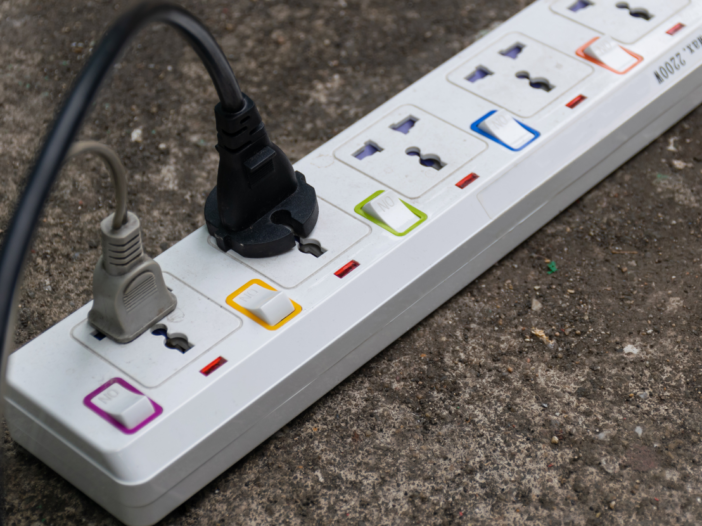


A near miss is an event that could have resulted in injury, ill health or damage but did not. Although no one is harmed, near misses often reveal hazards, unsafe behaviours or weaknesses in existing control measures.
By reporting and investigating near misses, organisations can identify risks early, prevent accidents and strengthen health and safety management systems.
This guide explains how to improve near miss reporting, what information should be included in a near miss report, and the practical steps organisations can take to overcome barriers and encourage employees to report concerns.
What is a near miss in safety?
A near miss is an unplanned event that had the potential to cause injury, illness, damage or loss but did not result in harm because the sequence of events was interrupted before an accident occurred.
Near misses are considered accident precursors because they often share the same underlying causes as accidents, such as unsafe conditions, equipment failures or human error.
What does a near miss look like?
Near misses happen in every industry, from offices and warehouses to construction sites and schools. They often seem insignificant at the time, but each one reveals a hazard that needs attention.
Common examples are:
- A box falls from shelving but lands beside an employee. Possible causes include poor storage practices, overloading, unstable shelving or inadequate inspections.
- A forklift narrowly avoids colliding with a pedestrian. This may point to inadequate traffic management, poor segregation of vehicles and pedestrians, limited visibility or insufficient driver training.
- Someone trips over a loose cable but regains their balance. The underlying issue may be poor housekeeping, inadequate cable management or a failure to identify and control trip hazards.
- A chemical container leaks but is discovered before anyone is exposed. This may suggest damaged containers, poor storage arrangements, inadequate maintenance or weaknesses in inspection procedures.
- A vehicle reverses without spotting a pedestrian, who steps clear at the last moment. Contributing factors could include poor site layout, inadequate reversing controls, restricted visibility, ineffective banksman arrangements or a lack of pedestrian segregation.
In each case, nobody was harmed, but the potential for serious injury was there.
Why must near misses be reported?
Research by Frank E. Bird, based on an analysis of more than 1.7 million accident reports from almost 300 companies, found that serious workplace accidents were often preceded by many lower-consequence incidents and near misses. Investigating near misses and incidents helps organisations to:
- Identify the root causes of incidents. Investigating why a near miss occurred helps organisations uncover weaknesses in procedures, equipment, supervision or workplace conditions that might otherwise go unnoticed.
- Improve risk assessments and control measures. Near miss reports provide real-world evidence that can be used to review existing risk assessments and introduce more effective controls.
- Prevent similar incidents from happening again. Implementing corrective actions reduces the likelihood of the same hazards leading to another near miss or a more serious accident.
- Promote continuous improvement. Analysing near miss reports over time helps organisations identify recurring issues, monitor the effectiveness of control measures and continually improve workplace safety.
Rather than being isolated events, near misses often indicate weaknesses in equipment, procedures, supervision or the working environment that could contribute to a more serious accident if left unaddressed.
How should a near miss be reported?
Every workplace should have a simple process for reporting accidents, incidents and near misses. If reporting is quick, straightforward and accessible, employees are far more likely to report concerns.
Digital reporting systems can make this process easier and more consistent, especially across multiple sites or teams. Our Incident Reporting Software helps organisations identify trends and implement corrective actions swiftly.
An effective near miss reporting procedure should enable employees to:
Report the near miss as soon as possible
Employees should notify their manager, supervisor or designated health and safety representative while the details are still fresh. Prompt reporting also enables any remaining hazards to be controlled before they lead to another incident.
Record what happened
A useful near miss report should clearly explain what happened, when and where it occurred, who was involved and what task was being carried out. Photographs, sketches or other supporting evidence can help investigators understand the circumstances more accurately.
Explain what could have happened
A near miss report should describe not only what happened, but also the potential consequences if circumstances had been slightly different. This helps organisations understand the level of risk and prioritise corrective actions.
Focus on facts, not blame
Reports should describe what happened objectively rather than assigning blame to individuals. For example, recording that “the pedestrian walkway was obstructed by stored materials” is more useful than stating that someone “wasn’t paying attention”. This helps investigators identify underlying causes rather than individual mistakes.
Identify immediate hazards and contributing factors
The report should record any unsafe conditions, equipment failures, environmental factors or unsafe behaviours that may have contributed to the near miss. Where appropriate, organisations should also classify the near miss (for example, workplace transport, manual handling or slips and trips) to help identify recurring trends.
Investigate the underlying causes
Employers should look beyond the immediate event to understand why it happened. This may involve reviewing procedures, supervision, maintenance records, training, risk assessments and whether existing control measures were suitable and effective.
Implement and monitor corrective actions
Appropriate action should be taken to remove hazards, improve procedures, repair equipment, introduce additional control measures or provide further training. Responsibilities and completion dates should be clearly assigned, with follow-up checks to confirm the actions have been effective.
Is a near miss reportable under RIDDOR?
Near misses are not usually reportable under the Reporting of Injuries, Diseases and Dangerous Occurrences Regulations (RIDDOR) 2013 because no injury or specified dangerous occurrence has taken place.
However, RIDDOR requires certain dangerous occurrences to be reported even if nobody is injured. These are specific near-miss events defined in the Regulations and include incidents such as the collapse of lifting equipment, the accidental release of hazardous substances, electrical short circuits causing fire or explosion, and structural collapses.
The full list of reportable dangerous occurrences is set out in RIDDOR 2013, Schedule 2 and explained in the HSE’s guidance, Dangerous Occurrences.
What stops employees reporting near misses?
Understanding why employees choose not to report near misses is the first step towards improving reporting rates.
Common barriers are:
- Employees don’t know what counts as a near miss. Without training and practical examples, many incidents go unreported because employees don’t recognise them as near misses.
- Employees fear blame. Concerns about criticism or disciplinary action can discourage honest reporting.
- Employees don’t think the near miss is important. If no one was injured, they may assume it isn’t worth reporting.
- Reporting takes too long. Lengthy forms and complicated procedures discourage reporting, particularly in busy workplaces.
- Previous reports have been ignored. Employees are less likely to report near misses if they never see action being taken.
How can you encourage employees to report near misses?
The success of a near miss reporting system depends on employees feeling confident that reporting concerns is worthwhile.
Organisations could:
Provide training and clear guidance
Employees should understand what constitutes a near miss, why reporting is important and how to report one correctly. Training should explain the organisation’s reporting procedure, what information to include in a report and who to notify.
Regular refresher training, toolbox talks and practical examples can help employees recognise near misses and reinforce the importance of reporting them promptly.
Promote a positive reporting culture
Employees are more likely to report near misses when they know they will be treated fairly and that the purpose of reporting is to improve safety rather than assign blame.
Managers and supervisors should respond positively to reports, thank employees for raising concerns and focus on understanding what happened instead of who is at fault. This helps build trust and encourages employees to report hazards before they result in an accident.
Make reporting quick and simple
See ‘How should a near miss be reported?’ above. Reporting should be accessible and straightforward to complete, removing unnecessary barriers.
Respond promptly to reports
Acknowledging reports quickly and investigating them without unnecessary delay demonstrates that the organisation takes employee concerns seriously. Employees should receive feedback on the progress of their report, so they know it has not been ignored.
Act on the findings
Reporting alone does not improve safety. Employers should use the findings of investigations to implement corrective actions, such as removing hazards, improving procedures, repairing or replacing equipment, introducing additional control measures or providing further training.
When employees see tangible improvements resulting from their reports, they are far more likely to continue reporting near misses.
Share lessons learned
Communicating the outcomes of investigations helps employees understand what was learned and what changes have been made. Sharing lessons across teams or sites can also prevent similar near misses occurring elsewhere in the organisation and reinforces the value of reporting.
Learn how to investigate near misses
Investigating a near miss helps identify root causes, strengthen control measures and prevent similar incidents from happening again.
Our Incident and Accident Investigation Training provides managers, supervisors and health and safety professionals with the practical skills to investigate workplace accidents and near misses, identify underlying causes and turn investigation findings into effective preventative actions.
Available as online eLearning, virtual classroom or face-to-face training, the course helps to strengthen compliance and create safer workplaces.
Find out more about our Incident and Incident and Accident Investigation Training on our website, or call our friendly team today on 0203 011 4242 / [email protected]

Adam Clarke
Managing Director (Consulting)