
CDM 2015 applies to most construction projects in Great Britain, including many activities that are not always recognised as construction work. Refurbishments, maintenance projects, fit-outs, and domestic building work can all fall within the scope of the regulations.
Understanding when CDM applies is essential for ensuring the correct health and safety arrangements, appointments, and legal responsibilities are in place from the outset.
This guide explains when the regulations apply, what is classed as construction work, and the duties placed on those involved in a construction project.
What is CDM 2015?
CDM stands for the Construction (Design and Management) Regulations.
The regulations, known as CDM 2015, came into force on 6 April 2015. The purpose of the regulations is to improve health and safety by ensuring risks are considered and managed throughout a project’s lifecycle, from initial design and planning through to construction, maintenance, and eventual demolition.
CDM 2015 places legal responsibilities on clients, designers, principal designers, contractors, principal contractors, and workers to manage health and safety throughout a construction project.
For more information, please read our guide, What are the CDM Regulations?
When does CDM apply?
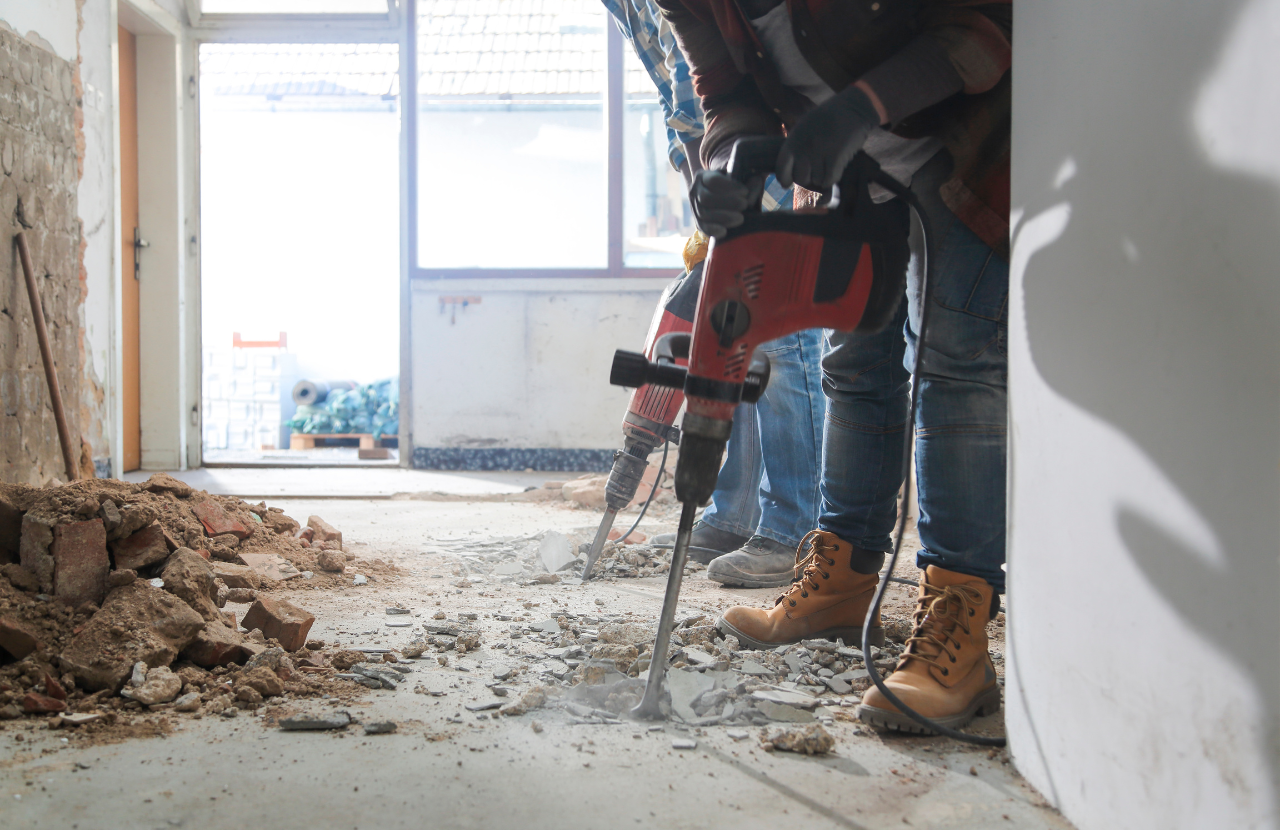
CDM 2015 applies whenever a project involves construction work. Under Regulation 2 construction work includes building, alteration, conversion, fitting out, renovation, repair, upkeep, redecoration, maintenance, demolition, site preparation, excavation, and the installation, maintenance, or removal of fixed building services.
The regulations apply to most construction projects in Great Britain, regardless of size, duration, cost, or number of workers.
CDM duties apply from the earliest stages of a project. Health and safety should be considered during planning and design so that risks can be eliminated or reduced before construction work begins.
What is classed as construction work under CDM 2015?
Under Regulation 2, construction work is defined as:
- New-build construction – the construction of new buildings and structures, including residential, commercial, industrial, and infrastructure projects.
- Extensions and loft conversions – projects that enlarge or alter existing buildings, including domestic extensions, loft conversions, garage conversions, and similar works.
- Refurbishments and fit-outs – work to renovate, modernise, or fit out existing premises, such as office refurbishments, retail fitouts, and internal reconfiguration projects.
- Alterations and structural modifications – changes to an existing structure, including removing walls, creating new openings, strengthening structures, or modifying building layouts.
- Maintenance and repair work – Regulation 2 specifically includes maintenance and upkeep activities where construction techniques are used, such as roof repairs, structural repairs, window replacement, and building fabric repairs.
- Redecoration and refurbishment – activities such as painting, decorating, and refurbishment works can fall within CDM 2015 where they form part of construction work.
- Demolition and dismantling – the demolition of buildings, structures, or parts of structures, as well as dismantling works carried out before reconstruction or redevelopment.
- Site preparation, excavation, and clearance – activities carried out before construction begins, including groundworks, excavation, trenching, site clearance, and preparation of foundations.
- Installation, maintenance, repair, and removal of fixed building services – Regulation 2 specifically includes work relating to systems normally fixed within a structure, such as electrical installations, mechanical services, heating, ventilation, air conditioning (HVAC), gas systems, water services, fire protection systems, data cabling, and telecommunications infrastructure.
When does CDM apply to domestic projects?
CDM 2015 applies to domestic projects whenever the work meets the definition of construction work in Regulation 2. A domestic project is defined as a project carried out for a client who does not undertake the work in connection with a business.
This means CDM 2015 applies to projects such as house extensions, loft conversions, garage conversions, structural alterations, major renovation works, roof replacements, and domestic refurbishments.
Although domestic projects fall within the scope of CDM 2015, homeowners are not generally expected to manage construction health and safety themselves. Their duties are normally transferred to the contractor, principal contractor, and principal designer under Regulations 7 and 8.
When do CDM regulations not apply?
CDM 2015 does not apply to every activity carried out within a building or workplace. The key test is whether the work falls within the definition of construction work in Regulation 2.
Activities that do not normally fall within the scope of CDM 2015 include:
- Routine office activities, such as administration, meetings, and desk-based work
- Normal manufacturing, production, and processing operations
- Everyday cleaning and housekeeping activities
- General business operations that do not involve construction work
- Maintenance activities that do not involve building, engineering, or construction techniques
The distinction is not always straightforward. For example, replacing a damaged roof, upgrading fixed electrical systems, or carrying out structural repairs will normally be construction work under CDM 2015, whereas routine equipment servicing or office administration will not.
If there is any doubt, the safest approach is to consider whether the activity involves the construction, alteration, maintenance, repair, or demolition of a structure, or work on services normally fixed within a structure. If it does, CDM 2015 is likely to apply.
Who are the main duty holders under CDM 2015?
CDM 2015 places legal duties on several parties involved in a construction project. The specific responsibilities of each duty holder are set out throughout the regulations.
Client
Under Regulation 4, clients must make suitable arrangements for managing the project, including allocating sufficient time and resources for health and safety.
Clients are also responsible for providing relevant pre-construction information and, where more than one contractor is involved, appointing a principal designer and principal contractor in writing.
Designer
Under Regulation 9, designers must eliminate foreseeable health and safety risks, so far as reasonably practicable, and reduce or control risks that cannot be eliminated. They must also provide information about any significant residual risks that remain within their designs.
Principal designer
Under Regulation 11, the principal designer is responsible for planning, managing, monitoring, and coordinating health and safety during the pre-construction phase. This includes coordinating designers, ensuring risks are considered during design, and assisting the client in meeting their duties under CDM 2015.
Contractor
Under Regulation 15, contractors must plan, manage, and monitor their work to ensure it is carried out without risks to health and safety. They must provide suitable supervision, information, instruction, and training for workers and comply with any site rules and arrangements established for the project.
Principal contractor
Under Regulation 13, the principal contractor is responsible for planning, managing, monitoring, and coordinating health and safety during the construction phase where more than one contractor is involved. This includes preparing the construction phase plan, coordinating contractors, managing site safety arrangements, and ensuring suitable welfare facilities are provided throughout the project.
When must a principal designer and principal contractor be appointed?
Under CDM 2015, Regulation 5, a client must appoint a principal designer and principal contractor in writing where there is, or is reasonably likely to be, more than one contractor working on the project (for domestic clients this duty is transferred – see ‘When does CDM apply to domestic projects?’ above).
This requirement applies even if the contractors are not working on site at the same time. For example, a builder carrying out an extension who later engages an electrician, plumber, roofer, or plasterer would normally create a multi-contractor project requiring these appointments.
The appointments should be made as soon as practicable. The principal designer must be appointed during the pre-construction phase, while the principal contractor must be appointed before the construction phase begins.
CDM Roles and Responsibilities Training
Once a project falls within the scope of CDM 2015, clients, designers, principal designers, contractors, and principal contractors all have specific legal responsibilities. Understanding who is responsible for what is essential for effective project planning, coordination, and compliance.
Our CDM Roles and Responsibilities Training goes beyond the regulations to explore how duty holders apply their responsibilities in practice. Through real-world examples and practical guidance, participants learn how to coordinate effectively, avoid gaps in responsibility, manage project risks, and support compliance throughout the project lifecycle.
Available as virtual or face-to-face training, the course is ideal for anyone involved in planning, managing, designing, or delivering construction projects. Find out more about our CDM Roles and Responsibilities Training on our website, or call our friendly team today on 0203 011 4242 / [email protected]

Adam Clarke
Managing Director (Consulting)