DSEAR Training
Dangerous substances are used in many workplaces, from manufacturing and engineering to food production, laboratories and warehouses. Our DSEAR Training course helps employees understand their responsibilities under the Dangerous Substances and Explosive Atmospheres Regulations 2002 (DSEAR), recognise fire and explosion hazards, and prevent dangerous incidents.
The course covers DSEAR risk assessments, hazardous area zoning, workplace controls and emergency procedures to help organisations prevent fires and explosions and support compliance.
This SCORM-compliant, online course can be integrated seamlessly into your organisation’s LMS or accessed instantly via our online platform.
Want more information about DSEAR Training?
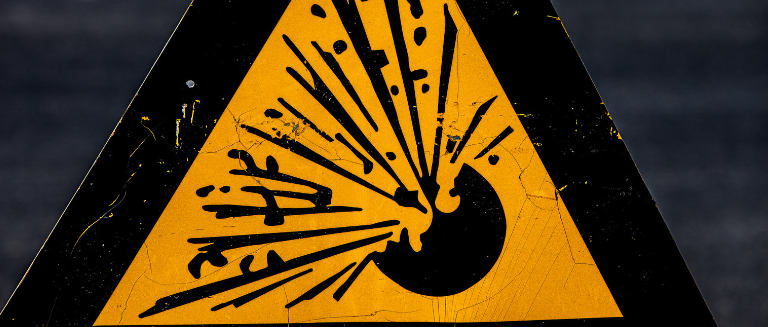
DSEAR Training
DSEAR Training equips employees to recognise and respond to fire and explosion hazards in compliance with the Dangerous Substances and Explosive Atmospheres Regulations 2002 (DSEAR)
£25
Find out about our eLearning discounts here.
Use the form below to discuss Multi-User Discounts with our team.
Benefits of DSEAR Training
- Supports compliance with the Dangerous Substances and Explosive Atmospheres Regulations 2002 (DSEAR).
- Helps employees recognise fire and explosion hazards before they lead to incidents.
- Promotes a proactive safety culture by encouraging safe working practices and early reporting of hazards.
- Improves understanding of DSEAR risk assessments, hazardous area zoning and workplace controls.
- Can be completed at the participant’s own pace, at a time that suits them.
- Multiple choice quizzes so participants can check their understanding as they go.
- CPD Certified and SCORM Compliant training.
- Instant access to course materials.
Free translation into 40 languages included. Additional languages available as a bespoke service.
Accessible course with screen-reader compatibility, closed captions, transcripts, and keyboard navigation.
Ways to study

Online
You can study whenever and wherever suits you. Online courses are delivered through our digital platform, or to your own learning management system via SCORM.
eLearning

With eLearning, participants can access course materials at their convenience, fitting around their commitments.
- Engaging. Our courses engage learners through multimedia elements, simulations, and interactive exercises. This encourages active participation and increases learning retention.
- Tracking. Our learning management system, enables administrators to track learners’ progress, the courses they have attended and the dates, which supports health and safety compliance.
- SCORM compatible. We offer courses as SCORM files so they can be integrated into an organisation’s existing learning management system.
- Assessment. There are multiple-choice quizzes throughout the courses so learners can check their understanding as they progress and consolidate their learning.
- Summaries. Each module concludes with a summary, reinforcing key concepts and enhancing understanding.
Our virtual classroom combines the advantages of in-person training with online learning.
- Experienced trainers. Online tutorials are led by health and safety trainers with many years of experience in the field. Learners benefit from their expertise and industry knowledge.
- Interactive. Learners can ask questions in real-time and receive immediate feedback from trainers, enhancing their understanding.
- Bespoke. Courses can be customised to meet an organisation’s specific requirements, so participants can apply what they have learned most effectively.
Virtual Classroom

Face-to-Face

Learning in-person in a collaborative environment equips your team with the knowledge and skills they need to ensure workplace safety and compliance.
- Expert trainers. Benefit from the expertise of qualified trainers with years of health and safety experience across a broad range of industries and types of organisations.
- Flexible. Choose a location convenient for your team, whether at your premises or a designated training facility.
- Tailored. Course content can be customised to align with your organisation’s specific requirements and industry challenges, ensuring knowledge can be applied effectively to your workplace.
- Supportive. Learners engage in discussions, share knowledge, and collaborate to learn from each other’s perspectives and experiences as well as from the trainer.
- Interactive. Sessions are interactive to encourage active engagement which enhances understanding and helps learners to retain knowledge. Learning is through questions, feedback, discussions, and instructor-led presentations.
What our clients say
From national pub chains to global insurance, our clients value our expertise and service.

By the end of the DSEAR course, learners will be able to:
- Understand the purpose and key requirements of DSEAR.
- Recognise dangerous substances and fire and explosion risks.
- Know how fire and explosion risks are prevented and controlled.
- Understand roles and responsibilities under DSEAR.
- Apply safe working practices involving dangerous substances.
- Respond appropriately to emergencies, following workplace procedures.
Introduction to DSEAR
- Why DSEAR is important in the workplace
- Purpose and key requirements of DSEAR
- Where DSEAR applies and the activities it covers.
- How DSEAR fits alongside other health and safety legislation, including ATEX.
Dangerous substances
- What dangerous substances are under DSEAR.
- Common dangerous substances found in workplaces.
- How dangerous substances can be identified using labels, Safety Data Sheets (SDS) and workplace information.
- Difference between risk assessments and safe systems of work.
- How workplace procedures and signage help prevent fires and explosions.
How fires and explosions occur
- How fires start using the fire triangle and fire tetrahedron.
- How gas, vapour and dust explosions occur.
- Lower and Upper Explosive Limits (LEL and UEL).
- Dust explosion pentagon and secondary dust explosions.
- Difference between deflagration and detonation.
Explosive atmospheres, zoning and equipment
- What an explosive atmosphere is and how it forms.
- Activities that can create explosive atmospheres.
- Purpose of hazardous area classification and zoning.
- Different gas, vapour and dust zones.
- Why suitable equipment is required in hazardous areas.
Preventing and controlling risks
- Purpose of a DSEAR risk assessment.
- Five stages of the DSEAR risk assessment process.
- How to identify fire and explosion hazards.
- DSEAR hierarchy of control measures.
- Practical ways to prevent releases, control ignition sources and limit the consequences of an incident.
Responsibilities under DSEAR
- Responsibilities of employers and managers.
- Employee responsibilities for working safely with dangerous substances.
- Role of contractors and visitors.
- Importance of communication, cooperation and reporting hazards.
Safe working practices
- How to plan and carry out work involving dangerous substances safely.
- Safe handling of flammable liquids and gas cylinders.
- Importance of good housekeeping.
- How to control ignition sources.
- When permit-to-work systems are required for higher-risk activities.
Emergency procedures
- How to respond safely to fires, explosions, gas leaks and spills.
- Emergency evacuation and alarm procedures.
- When emergency shutdown, spill response and firefighting may be appropriate.
- Basic first aid considerations following incidents involving dangerous substances.
- Why incidents and near misses should be reported and investigated.
At the end of DSEAR Training there are 10 multiple choice questions to answer, and the pass mark is 80%.
Who should take this course?
DSEAR awareness training is suitable for anyone who works with or around dangerous substances, including employees in manufacturing, engineering, warehousing, laboratories, construction, food production, maintenance, facilities management and other environments where fire or explosion hazards may be present.
Course duration
This DSEAR training course takes approximately 60 minutes to complete.
Certificate
You will receive a certificate on successful completion of the course which is downloadable as a PDF file.
How is it delivered?
DSEAR Training is delivered online or through a computer network to each trainee at their desktop, laptop or mobile device. We can also provide the course to be integrated into a SCORM compliant LMS.
Training can be completed at the employee’s own pace by “bookmarking” and recording progress and returning to the training later.
Can this DSEAR Training online be tailored to our organisation?
Yes. We can tailor the course to reflect your organisation’s policies, procedures, equipment, terminology and branding, helping employees understand the specific fire and explosion risks they may encounter in their own workplace.
Can this course be used as part of our DSEAR compliance programme?
Yes. Employee training is an important part of DSEAR compliance. This DSEAR awareness course helps organisations provide employees with the information, instruction and training they need to understand fire and explosion hazards, workplace controls and their responsibilities when working with dangerous substances.
We already have experienced employees. Do they still need DSEAR training?
Experience is valuable, but it should be supported by regular training. DSEAR awareness training helps reinforce safe working practices, keeps employees up to date with workplace procedures and reminds them of the controls that reduce the risk of fires and explosions.
Can this DSEAR course be used for refresher training?
Yes. The DSEAR course is suitable for both new starters and existing employees who need refresher training. It provides a practical overview of DSEAR principles, safe working practices and employee responsibilities.
Does this course make someone competent to carry out a DSEAR risk assessment?
No. This DSEAR training course explains the purpose of DSEAR risk assessments and how employees should follow the control measures they identify. It is not designed to qualify learners to carry out or write DSEAR risk assessments.
What kind of support can I expect if I encounter issues with the course?
We offer full technical support to ensure a smooth experience, whether you’re using our digital platform or integrating the course into your LMS. Additionally, our customer support team is available to answer any questions related to course content or compliance.
Is there a discount if I need to train a large team?
Yes, we offer volume discounts for businesses that need to train multiple employees. Please contact us to discuss your requirements, and we can provide pricing based on your team size.
What happens if someone fails the course assessment?
Participants who don’t pass the assessment on their first attempt can review the course material and retake the assessment. The course is designed to support learning, with interactive elements and quizzes to reinforce understanding throughout.
How quickly can this training be rolled out to my team?
Once purchased, the course can be accessed immediately through our digital platform or integrated into your existing LMS, allowing employees to begin training right away.
Can I monitor employee progress throughout the training?
Yes, if using our digital platform, you can track employees’ progress, view completion rates, and download certificates for compliance records.
Need to know more?

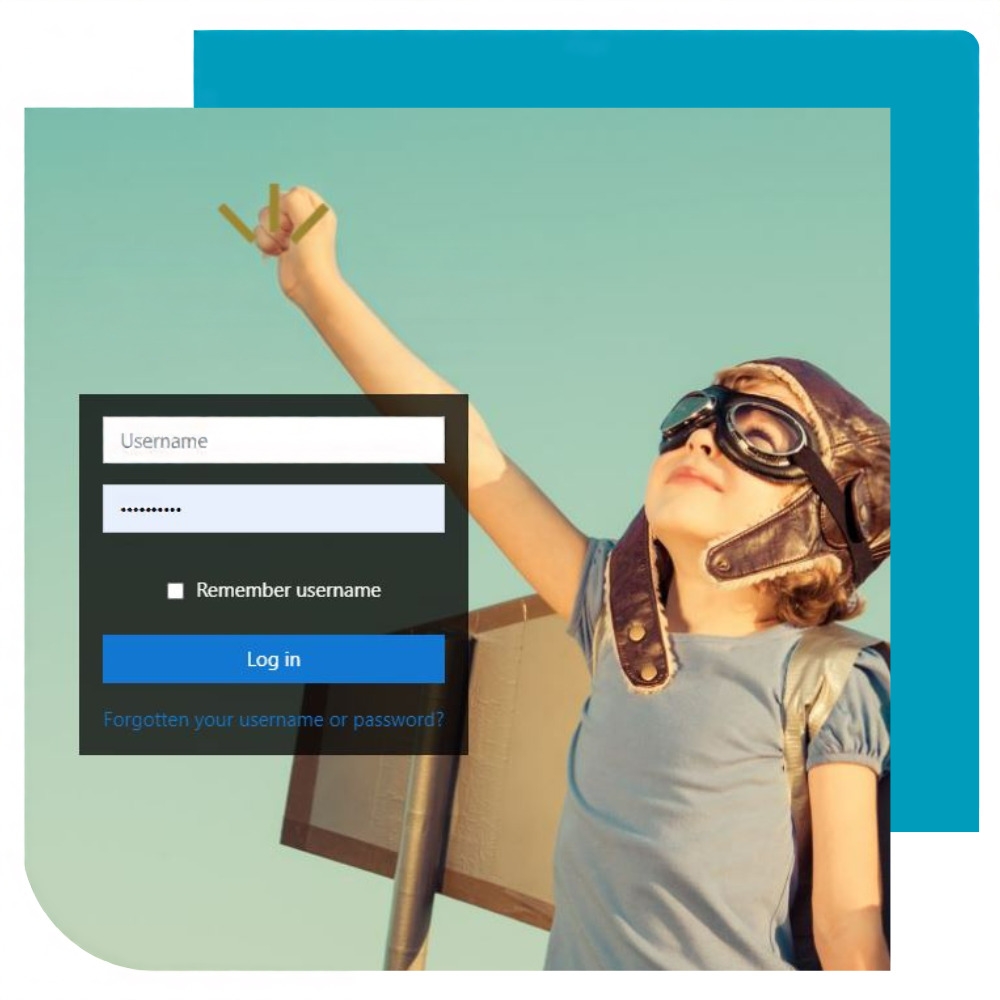
Compliance record keeping made easy
The Praxis42 Digital Platform is our advanced eLearning management system and helps organisations deliver effective online learning for their employees.
A cost-effective tool for compliance record-keeping, our platform allows you to view and manage employee training records easily. Individual training certificates can be printed as proof of compliance for audits or visits from enforcing agencies.
lth and Safety UK a Ericsson
Download our DSEAR Training Brochure